End Game Font: Versatility in Handwritten Typography
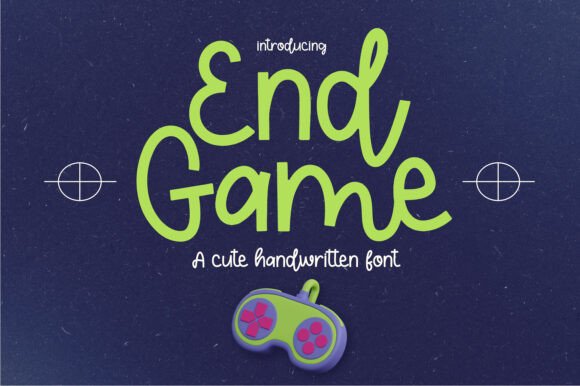
There’s a subtle but powerful shift happening in modern typography—a move away from sterile perfection toward the warmth of the human touch. End Game Font perfectly embodies this transition. As a sweet and friendly handwritten typeface, it brings an authentic, natural rhythm to digital and print projects alike. Its flowing strokes and genuine character make it far more than just another casual font; it’s a strategic tool for designers looking to inject personality and approachability into their work without sacrificing readability or professional polish.
The Role of Handwritten Fonts in Contemporary Visual Design
In a visual landscape often dominated by clean, geometric sans-serifs and rigid corporate aesthetics, handwritten typography offers a breath of fresh air. It breaks down formal barriers and fosters an immediate sense of connection with the audience. End Game Font excels in this area because its natural, unique style doesn’t feel forced or gimmicky. Instead, it feels like a genuine extension of the brand’s voice—whether that voice is playful, heartfelt, or creatively bold.
For graphic designers and brand strategists, selecting the right typeface is critical to establishing a cohesive brand identity. A font like this can soften a brand’s demeanor, making it more accessible for consumer-facing businesses, creative agencies, or lifestyle blogs. It speaks directly to the audience’s emotions, enhancing user experience through a sense of familiarity and human connection that standard fonts often lack.
Practical Applications in Design Workflows
The beauty of End Game Font lies in its incredible versatility. While it carries a distinct handwritten charm, it adapts seamlessly across various mediums and design contexts. Integrating it into your creative asset library opens up a wide range of possibilities for elevating your professional presentation.
Branding and Logo Design
When building a brand identity, consistency is key, but so is distinctiveness. Handwritten fonts are a popular choice for logos that need to feel warm and artisanal. End Game Font works beautifully for small business branding, product labels, or creative agency marks. Its unique strokes add a bespoke, handcrafted feel to a logo, helping it stand out on a shelf or in a crowded digital marketplace. Pair it with a sturdy sans-serif for the supporting text to establish a clear visual hierarchy and maintain scalability across different formats.
Social Media and Digital Marketing
Engagement is the currency of social media graphics, and typography plays a huge role in stopping the scroll. Whether you’re designing Instagram stories, quote cards, or ad campaigns, the friendly, inviting nature of this font can significantly boost interaction. It works exceptionally well for headlines and call-to-action text where you want to create a direct, conversational feel. In digital marketing, where first impressions are formed in milliseconds, a font that communicates warmth and authenticity can dramatically improve user engagement and brand recall.
Packaging and Print Design
Packaging design is one of the most tactile forms of brand communication. A handwritten typeface instantly conveys a sense of care, craft, and quality. Consider using End Game Font on product packaging, hang tags, or promotional materials. It is particularly effective for:
- Artisanal food and beverage labels
- Stationery and greeting card collections
- Merchandise branding (t-shirts, tote bags)
- Event invitations and place cards
This font adds that “human touch” that often differentiates a premium product from a mass-market alternative.
Web and UI Design
Integrating handwritten elements into web design and UI design requires a careful balance to ensure usability is not compromised. End Game Font is well-suited for hero section headlines, testimonial pull-quotes, or decorative interface elements that guide the user’s eye. When used sparingly against a clean layout, it creates a dynamic focal point. This approach respects modern UX design principles by adding personality without disrupting the overall user flow or readability.
Key Considerations for Effective Typography
To truly make any typeface work within your design workflow, thoughtful execution is necessary. Here are a few actionable tips for leveraging handwritten typography effectively:
- Pair with Purpose: Combine the handwritten style with a clean, legible sans-serif or a structured serif for body text. This contrast creates a more polished visual design and helps guide the reader’s eye.
- Control Readability: While handwritten fonts are expressive, ensure your text remains legible at various sizes. Avoid tracking (letter-spacing) too tightly, as the natural stroke endings need room to breathe.
- Align with Audience Expectations: Consider your target demographic and the brand’s core message. A friendly handwritten font is perfect for lifestyle brands, children’s products, or wellness industries, but may need a more structured counterpart in professional corporate settings.
- Consistency Across Assets: Use the font consistently across your chosen materials—from email headers to packaging—to reinforce brand identity and build a cohesive visual system.
In the ever-evolving world of graphic design, the tools we choose directly impact the stories we tell. Thoughtful typography choices, like End Game Font, do more than just fill space—they communicate tone, build trust, and shape user perception. By investing in quality creative assets that offer both charm and utility, designers and brand owners can create work that not only looks premium but also genuinely resonates with its intended audience, bridging the gap between creative expression and effective visual communication.