The Charm of Mummy Font: A Playful Typeface for Creative Projects
If you have ever searched for a typeface that feels both whimsical and full of personality, you have likely stumbled across Mummy Font. This quirky and fun font brings a lighthearted energy to any design, whether you are working on a children’s game, a cartoon-themed project, or something that simply needs a lovely, approachable touch. In this article, we explore what makes Mummy Font stand out, where it shines best, and how you can decide if it fits your next creative endeavor.
What Is Mummy Font?
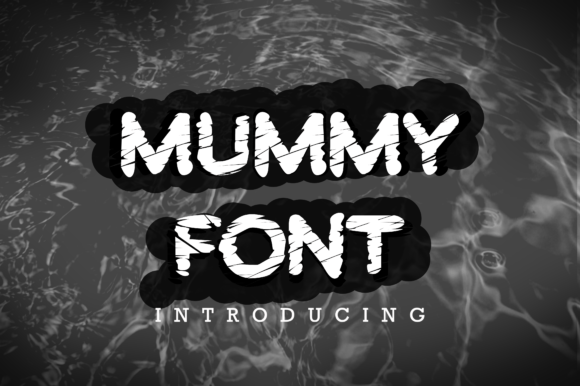
Mummy Font is a decorative typeface that draws inspiration from playful, friendly, and slightly mischievous aesthetics. Unlike traditional serif or sans-serif fonts, Mummy Font does not try to blend in. Instead, it invites attention through uneven strokes, rounded corners, and a slightly bouncy baseline that mimics hand-lettered charm. The font is designed to evoke a sense of fun and nostalgia, making it a go-to choice for projects that benefit from a human, informal feel.
The name “Mummy” hints at a certain cozy, wrapped-up warmth, and the letterforms themselves carry that idea forward. Each character feels like it was drawn with a marker by someone who enjoys the act of creation. This makes Mummy Font especially appealing for designers who want to inject warmth and approachability into their work.
Key Features and Characteristics
Mummy Font is not just about looking cute. It comes with a set of practical features that make it useful across a range of applications. Here are some of its defining traits:
- Playful letterforms: Letters have irregular heights, slightly tilted angles, and soft curves that break the rigidity of standard typefaces.
- High readability at medium sizes: While it is not ideal for dense body text, it remains legible when used for headlines, short paragraphs, or labels.
- Multiple weights and styles: Some versions of Mummy Font include bold, outline, and even distressed variants, giving you room to mix and match.
- Handcrafted feel: The font lacks mechanical uniformity, which adds a personal touch to digital designs.
- Versatile character set: Basic Latin characters, punctuation, and often some ligatures are included, making it suitable for English-language projects and beyond.
These characteristics make Mummy Font a strong candidate for any design where you want to communicate joy, creativity, or a sense of play.
Where Can You Use Mummy Font?
One of the greatest strengths of Mummy Font is its flexibility across different media. Because it carries such a distinct personality, it works well in contexts where the visual tone matters just as much as the message. Below are some real-world scenarios where this font truly excels.
Branding and Logo Design
For businesses that target families, children, or creative industries, a logo set in Mummy Font can immediately signal friendliness. A daycare center, a toy store, or a craft blog might use this typeface in their wordmark to appear approachable and memorable. The font’s irregular shapes help a logo feel handmade, which builds trust and emotional connection.
Packaging and Product Labels
Packaging design is all about standing out on a shelf. Mummy Font works beautifully on stickers, labels, and boxes for products like organic snacks, artisanal crafts, or children’s toys. When paired with bright colors and simple illustrations, it creates a cohesive, whimsical look that appeals to both kids and adults. For example, a small-batch jam maker might use Mummy Font on their jar labels to convey a homemade, small-batch story.
Merchandise and Apparel
T-shirts, hoodies, and tote bags often rely on bold typography to make a statement. Mummy Font, especially in its thick weight, prints clearly on fabric and retains its playful character. Designers working on Cricut projects can cut this font for iron-on transfers, signs, or custom gifts. Because the letterforms are distinct, the results remain sharp even after multiple washes.
Digital Content and Social Media
On platforms like YouTube and Instagram, grabbing attention quickly is essential. Mummy Font works well for video thumbnails, story titles, and quote cards. Its informal style feels authentic, which resonates with audiences tired of overly polished content. A lifestyle blogger might use it for weekly headers, while a gaming channel could rely on it to brand their series with a fun, approachable vibe.
Editorial and Print Projects
Magazines, children’s books, and promotional posters can all benefit from the charm of Mummy Font. In a magazine, it might be reserved for pull quotes or section titles to break up more serious body text. In a children’s book, it could be used for chapter headings or character speech bubbles. The font’s personality adds a layer of storytelling that plain typefaces cannot achieve.
Who Benefits Most from Mummy Font?
While anyone can enjoy using Mummy Font, certain groups will find it especially valuable. Consider whether you fall into one of these categories:
- Graphic designers looking for a distinctive typeface that adds character without overwhelming the layout.
- Small business owners who want their branding to feel personal and welcoming, especially in children’s products or creative services.
- Hobbyists and DIY creators using Cricut or other cutting machines to make custom gifts, signs, and apparel.
- Social media managers who need to produce engaging visual content that stands out in crowded feeds.
- Educators and parents creating worksheets, flashcards, or classroom decorations that should be fun yet readable.
If you identify with any of these groups, Mummy Font could become a staple in your design toolkit.
Strengths and Considerations
No typeface is perfect for every situation, and Mummy Font is no exception. Understanding both its strengths and limitations will help you use it wisely.
Strengths
- Instant personality: Even a single word set in Mummy Font conveys warmth and creativity. There is no need to add extra decoration—the font carries the tone.
- Versatile across media: From digital screens to printed fabric, the font holds up well in different formats.
- Appeals to a wide audience: Children respond to the playfulness, while adults appreciate the nostalgic, handmade quality.
- Easy to pair: Because Mummy Font is so distinct, it pairs easily with simple sans-serif fonts for body text, creating a balanced hierarchy.
Considerations and Limitations
- Not suitable for long body text: Reading extended passages in Mummy Font can cause eye strain. Reserve it for short phrases, headlines, or accents.
- May not fit formal contexts: Corporate reports, legal documents, or luxury branding would feel mismatched with this font’s playful style.
- Variable licensing: Some versions of Mummy Font are free for personal use but require a license for commercial projects. Always check the terms before using it in products you sell.
- Limited language support: Depending on the specific version, special characters or diacritics for non-English languages might be missing.
Being aware of these points ensures you choose Mummy Font when it truly adds value, rather than forcing it into a project where it might feel out of place.
How to Evaluate Whether Mummy Font Suits Your Project
Before downloading and installing Mummy Font, take a moment to assess your project’s needs. Here is a simple checklist you can follow:
- Define the tone: Does your project need to feel friendly, playful, or nostalgic? If yes, Mummy Font is a strong candidate.
- Consider the medium: Will the font appear primarily on screens, in print, or on fabric? Test a sample at the intended size to ensure readability.
- Check the audience: Are you designing for children, creative professionals, or a general consumer base? Mummy Font works best when your audience values approachability.
- Test pairing: Combine Mummy Font with a neutral sans-serif like Open Sans or Montserrat for body text. See if the combination feels cohesive.
- Review licensing: Confirm whether the version you want allows commercial use, especially if the project involves selling products or services.
By running through these steps, you can avoid mismatched designs and make an informed decision.
Real-World Examples of Mummy Font in Action
To give you a clearer picture, here are a few hypothetical but realistic scenarios where Mummy Font transforms a project:
- A children’s birthday party invitation: The host uses Mummy Font for the main headline “You’re Invited!” and pairs it with a simple script for the details. The result feels festive and handmade.
- A small-batch candle brand: Each candle label features the scent name in Mummy Font, with a clean sans-serif for the ingredients list. The playful font helps the product feel artisanal and approachable.
- A YouTube channel about DIY crafts: The channel uses Mummy Font for video titles and thumbnail overlays. The consistent typography builds brand recognition and signals the channel’s creative focus.
- A classroom reward chart: A teacher prints a behavior chart where student names appear in Mummy Font. The playful letters make the chart feel less like a chore and more like a game.
These examples show how Mummy Font can be adapted to different contexts while retaining its core charm.
Final Thoughts on Mummy Font
Mummy Font is more than just a quirky typeface. It is a tool that brings warmth, personality, and a sense of fun to a wide range of projects. Whether you are designing a logo, creating packaging, crafting social media content, or working on Cricut projects, this font can help you connect with your audience in a genuine way. Its strengths lie in its distinct character and versatility, while its limitations remind us to use it thoughtfully.
If your next project could use a dose of playfulness, consider giving Mummy Font a try. Test it at different sizes, pair it with clean body text, and see how it changes the feel of your design. Often, the right typeface makes all the difference between a good project and one that truly resonates.